Primitive
Hunt Town was the community/product layer around shipping: helping builders understand the primitives, launch small projects, get feedback, and move from Discord/Farcaster attention into actual product usage.
A-03 / builder community OS / 2022–2026
Builder-community work around Hunt Town: ideathons, Discord showcases, fireside chats, Huntzy community ops, early project support, rewards setup, Base/Farcaster education, and Korea/global Web3 activation loops.
Ownership
Small startup; I ran community-product operations end to end.
Public event posts, workshop receipts, and fireside-chat videos
Hunt Town was the community/product layer around shipping: helping builders understand the primitives, launch small projects, get feedback, and move from Discord/Farcaster attention into actual product usage.
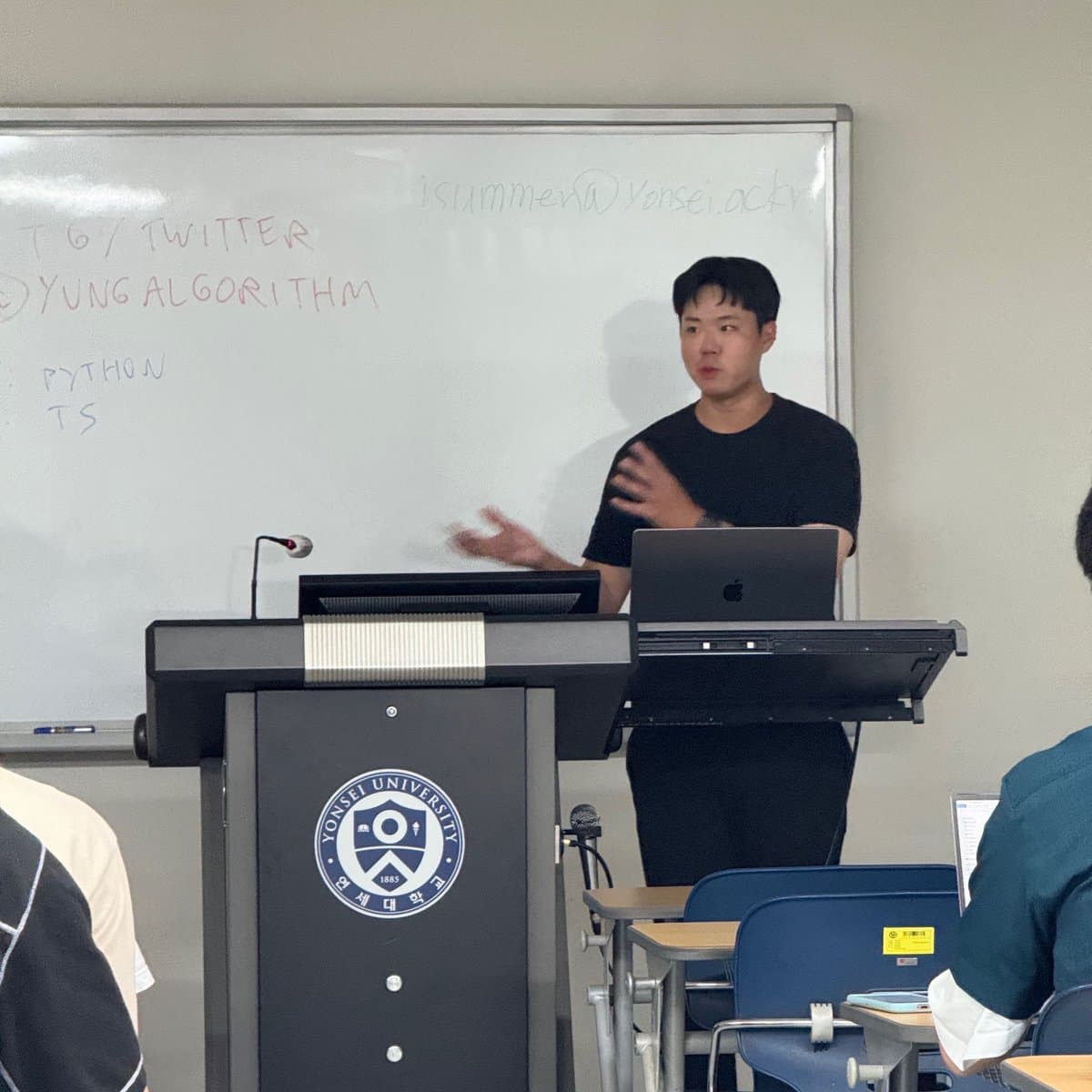
A long-running set of builder activations: Hunt Town ideathons, fireside chats, Huntzy community operations, Warpcast Tools showcases, early project support, Mint Club rewards setup, Base/MiniKit workshops, university sessions, and community launch loops.
Proof / Traction
Fireside chats hosted on YouTubesource pending
Huntzy community operationsource pending
Field notes
Community product, builder education, launch support, and product translation: helping projects and builders understand what to build with Mint Club/Hunt Town primitives — plus hosting fireside chats and running the Huntzy community.
I learned that product adoption often happens outside the product UI: workshops, demos, Discord help, fireside chats, and launch narratives can decide whether a primitive becomes used or ignored.
The evidence is a timeline: ideathons, fireside chats, Warpcast/Farcaster showcases, early project support, Base/MiniKit workshops, and public posts around pushing Hunt Town into new ecosystems.
Receipt timeline
relaunch context
builder/community event
early community scale signal
BAYC ecosystem recognition for Hunt Town
virtual token / contribution mechanic for builders
community growth milestone
utility tooling for Web3 builders
1,000 HUNT lock-up mechanics and community participation
community demo / Farcaster utility loop
Base buildathon/community discovery
launch support + reward mechanics
Base/social workshop prototype
Base MiniKit + Mint Club SDK social dApp
cloned Zora-style Instagram using Base app MiniKit
ecosystem direction public signal
live builder education
Beeper sent event to 768 users who set Signal Token to $HUNT
What went right
What went wrong